Rebels in Congo see Ebola as chance to show governing credentials
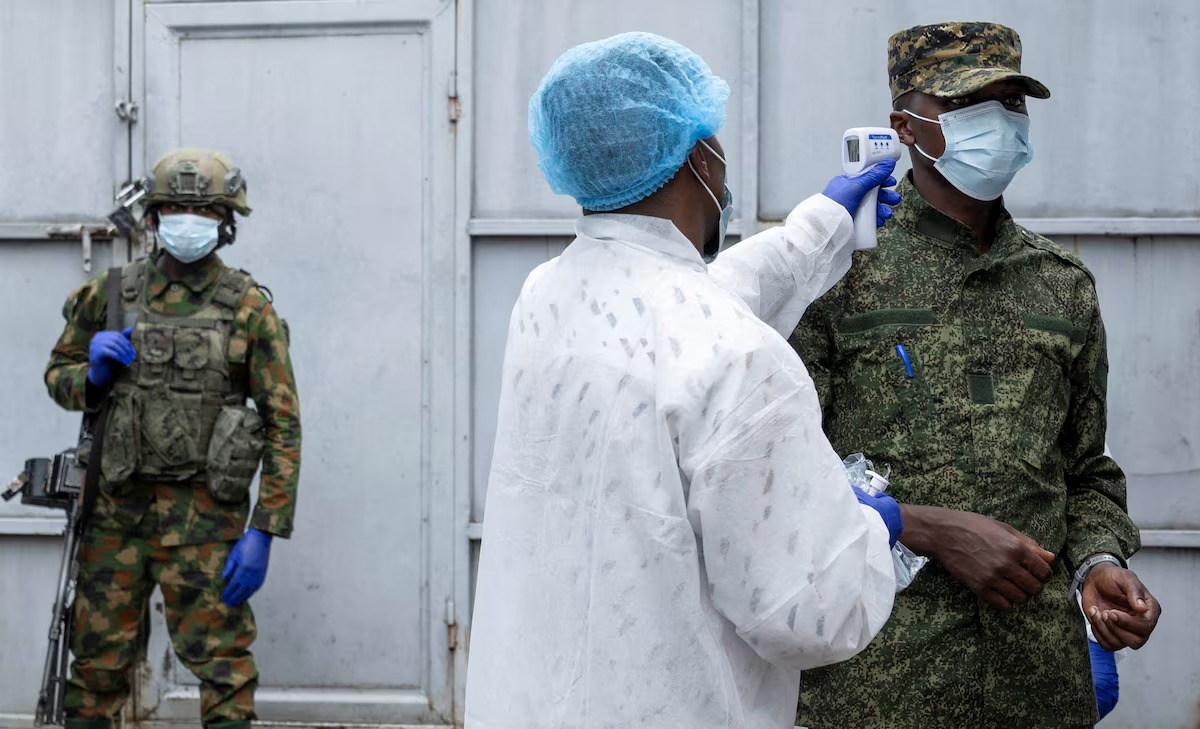
Congo's AFC/M23 rebels have used a small Ebola outbreak in territory they control to showcase their ability to govern, mounting a response largely separate from authorities in Kinshasa and supported in part by neighbouring Rwanda, according to response teams and official documents.
The response has highlighted how the rebels have extended parallel administrative structures into areas captured during a lightning advance last year. Analysts, however, say the war-torn country's fragmented response could complicate containment efforts should the outbreak spread further.
Reuters reviewed documents from Congo's Health Ministry and spoke to eight sources involved in the Ebola response in rebel-held areas, including one AFC/M23 official, two members of the technical coordination committee for the response and five aid workers, most of whom spoke on condition of anonymity because they feared being seen as legitimising the rebel group or jeopardising their access.
REBEL GROUP 'ENDS' OUTBREAK
AFC/M23 controls large parts of North and South Kivu provinces following its early 2025 advance, during which it captured Goma and Bukavu, eastern Congo's two largest cities. The United Nations and Western governments say the group is backed by Rwanda, which Kigali denies.
The rebel-held areas recorded four Ebola cases after the outbreak was declared on May 15 — one in Goma and three near Bukavu - according to data from Congo's Health Ministry and the World Health Organization.
Late last month, AFC/M23 declared the outbreak over in its territory after a 21-day monitoring period without new cases.
Freddy Kaniki, AFC/M23's deputy coordinator for the response, said 400 contacts had been monitored, with 98% receiving daily follow-up. Response documents reviewed by Reuters show that 207 samples had been tested in rebel-controlled areas of North Kivu as of June 18.
This stands in contrast with the rest of Congo, where transmission has continued. The outbreak has infected 1,926 people and killed 702, according to government data released on Sunday. A situation report published at the weekend confirmed the outbreak was in two new provinces: Haut-Uele and Tshopo.
The rebels have sought to highlight their role through videos widely shared on social media, showing Kaniki and other officials visiting laboratories, inspecting response operations and meeting health workers, portraying the group as a functioning administration.
Congo's Health Ministry and a government spokesperson did not respond to requests for comment.
WIDESPREAD INFECTIONS ALREADY PRESENT
Kaniki acknowledged that government-held areas faced a much larger challenge, with dozens of infections already present when the outbreak was declared, but argued that AFC/M23's response had benefited from greater "discipline" and "anticipation", particularly in isolating cases and monitoring contacts.
The rebels also imposed strict containment measures, suspending bus routes to government-held areas and isolating potential contact cases. A journalist who travelled to Ituri told Reuters he and colleagues were placed in mandatory isolation for 15 days in a town bordering Uganda after returning to AFC/M23-controlled territory. (Reuters, 2026-07-13)